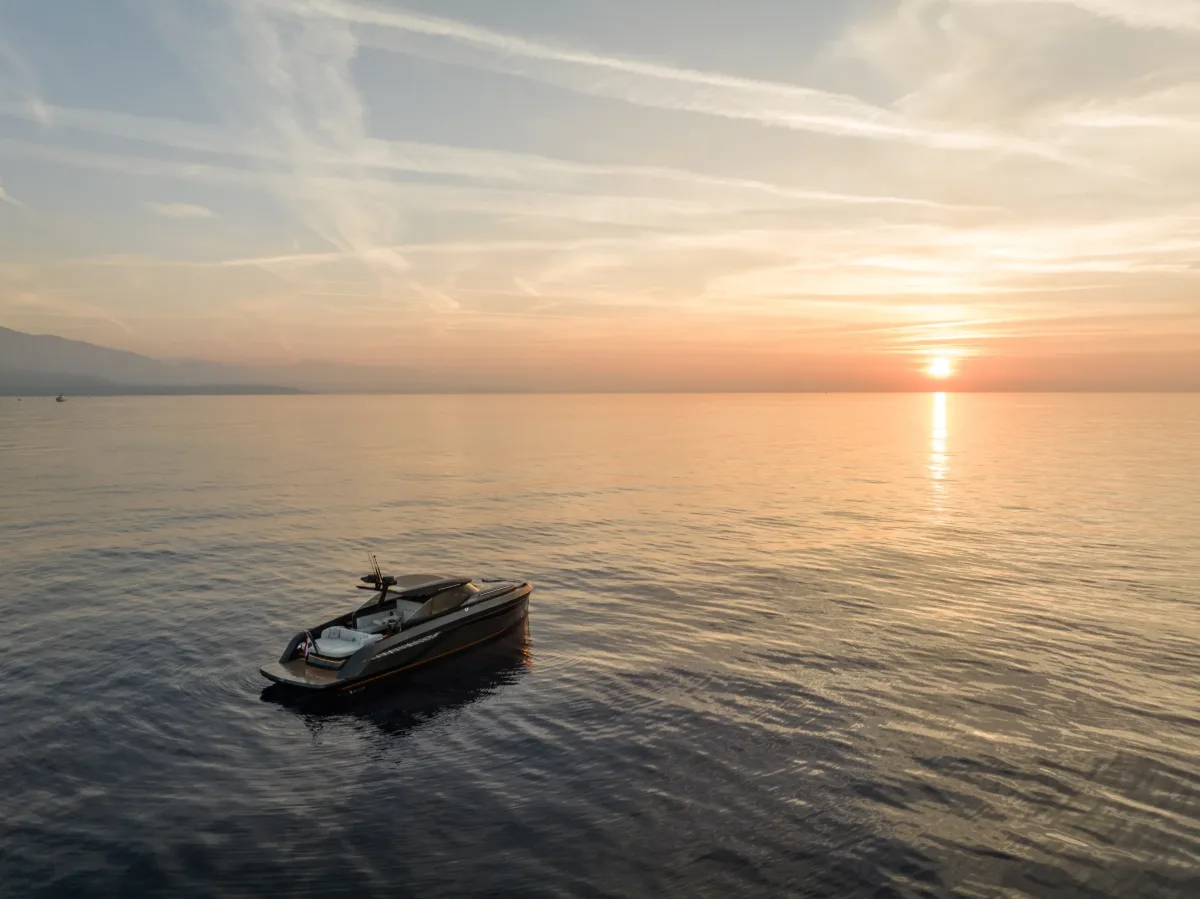

Holland builds some of the world's finest yachts because three things meet in one small country: centuries of shipbuilding tradition, a tight cluster of superyacht yards and suppliers, and a workforce that treats metal and finish as a craft. Bekkers Yachts grew out of that cluster. Its founder spent years supplying stainless steel work to leading Dutch and German superyacht builders, and now applies those standards to aluminium yachts of 40 to 60 ft, such as the AZUR 45HT from EUR 1,359,500 excl. VAT and engines.
A country shaped by water
The Dutch relationship with the sea is practical before it is romantic. Much of the country lies at or below sea level. Rivers, canals and estuaries run through every region. For centuries, trade, defence and daily life depended on boats, and on the people who could build them well.
The English word "yacht" itself comes from the Dutch "jacht", a light and fast vessel used to chase, carry messages and later to sail for pleasure. In the 17th century, Dutch yards were among the most productive in Europe. Foreign rulers came to learn. Tsar Peter the Great famously worked incognito in a Dutch shipyard to study the trade, and the Dutch presented King Charles II of England with a pleasure yacht, helping to spread the idea of sailing for its own sake.
That history matters less as a story than as a habit. Building boats has never been an exotic industry in the Netherlands. It is a normal, respected trade, passed on through families, technical schools and apprenticeships.
The superyacht cluster
Over the past decades, the Netherlands has become one of the leading countries for building large custom yachts. What makes it unusual is density. Within a few hours' drive you find yards, naval architects, exterior and interior designers, hull engineers, paint specialists, joiners, upholsterers and metalworkers who all work to the same demanding standard.
This cluster creates a shared language. A designer, an engineer and a stainless steel specialist can sit at one table and understand each other immediately. Tolerances are tight. Finish is inspected in raking light. Problems are solved at the workbench, not hidden under a cover panel.
Why custom, not series
Large Dutch yachts are typically built one at a time, to the wishes of a single owner. That way of working favours materials such as aluminium and steel, which can be shaped and welded without the moulds needed for series production in fibreglass. It also favours people who can think, measure and adjust as they build.
| Dutch tradition | What it means on board |
|---|---|
| One-off and small-batch building | Layout, colour and details can be adapted to the owner |
| Metal hulls and superstructures | Strength, stiffness and freedom of form |
| Specialist suppliers close by | Short lines between designer, engineer and craftsman |
| High finishing standards | Clean welds, tight joins, careful paintwork |
Bekkers' place in the story
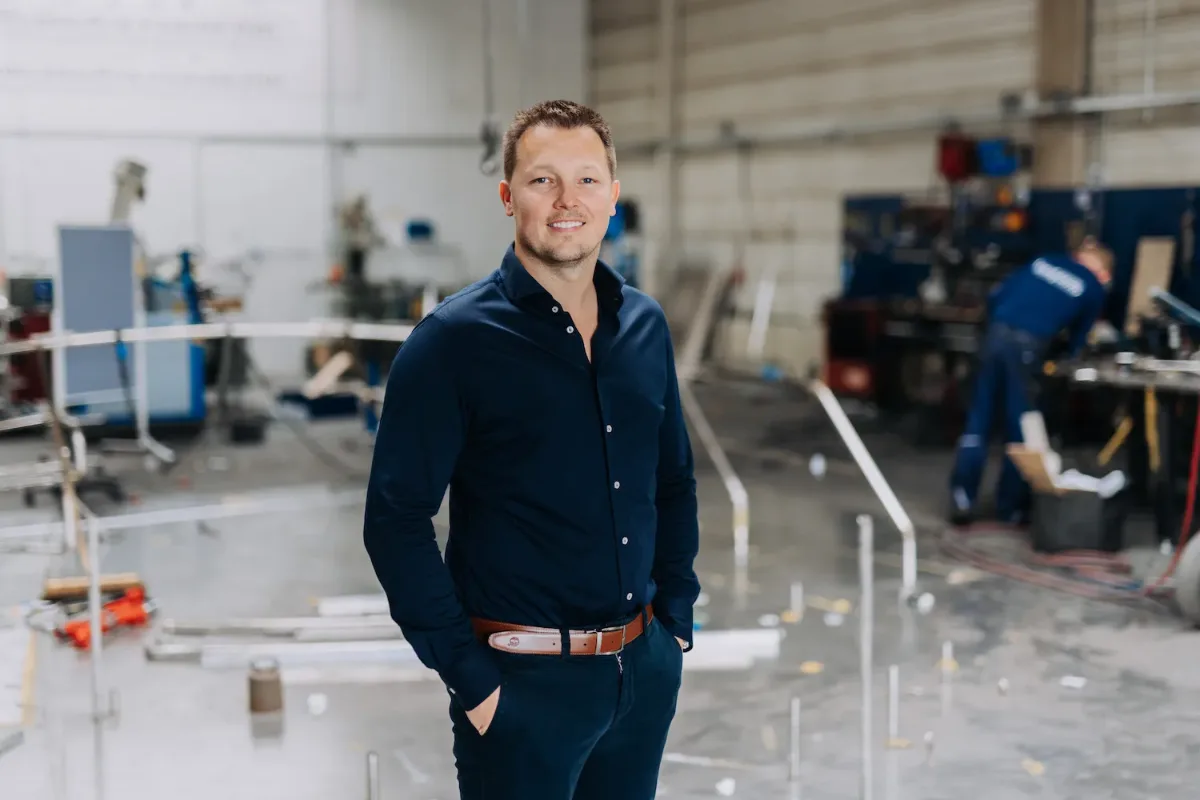
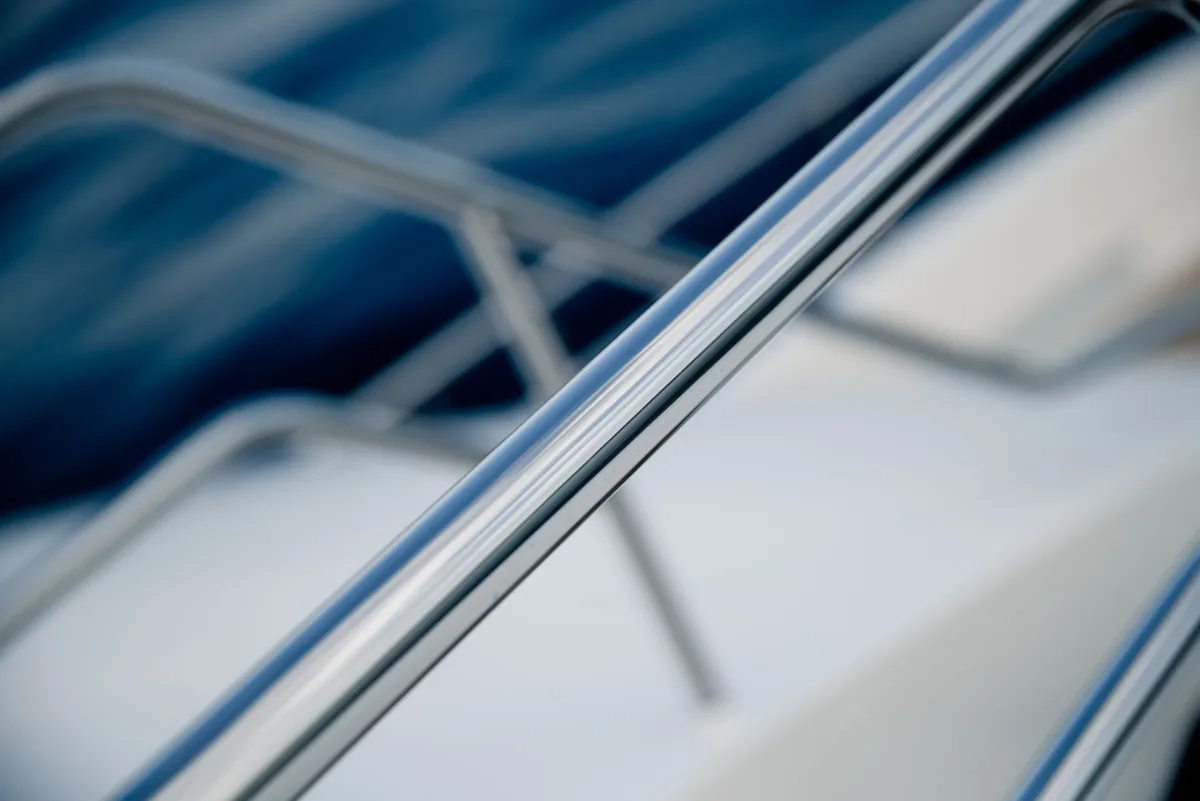
Bekkers Yachts did not start as a boatbuilder. Founder Leon Bekkers built his name as a key supplier of stainless steel work to the most luxurious superyacht builders in the Netherlands and Germany. Stainless fittings are among the most visible details on any yacht: railings, hinges, cleats, frames and trim. They are touched every day and judged at close range. There is nowhere to hide a poor weld.
Years of that work taught a simple lesson. The standards found on very large yachts were rarely available in the 40 to 60 ft dayboat and weekender market, where most boats are series-built in fibreglass. Bekkers Yachts set out to close that gap. The philosophy is short: no mass production, no fibreglass hull, no restrictions.
A team from the same world
The yard works with people who know the superyacht cluster from the inside:
- René van der Velden, a superyacht award-winning designer, is responsible for the exterior design.
- Navyk handles hull engineering.
- Wijk Yacht Design is the naval architect of the flagship Carib 64HT.
- Emile Bilterijst, former director of superyacht builder Moonen Yachts, acts as advisor.
Together they bring large-yacht thinking to a smaller scale. You can read more about the people behind the yard on Our story and Leon Bekkers, founder of Bekkers Yachts.
Heusden, on the river Maas
The yard sits in Heusden, a village in the municipality of Heusden, in the south of the Netherlands, on the river Maas. It is a working place, not a showroom. Hulls are built in aluminium by hand, and sea trials can be arranged at the yard. Ask the team if you would like to visit.
The location also says something about Dutch yacht building in general. Many of the country's best builders are found not in big harbour cities but along rivers and in small industrial estates, close to the people who do the work.
What Dutch building looks like on a Bekkers yacht
The influence is easiest to see in the details. When Motor Boat & Yachting took a first look at the AZUR 45, it praised fit and finish as exceptional for a 45-footer and noted that there were no visible weld marks. It also highlighted the mirrored glass skylight in the hardtop, glazed side buttresses, stainless cupholders with a phone slot and a leather-wrapped rectangular stainless wheel.
Other choices follow the same thinking:
- Aluminium hulls. The range is built in aluminium, with a hard chine hull on the AZUR 45HT. See Aluminium vs GRP.
- Paint to sample. Any colour combination is possible, from Daytona Grey to Navy Blue. See Paint to sample: how a custom hull colour is chosen.
- Materials on request. Interior wood with marine leather is standard, and other materials can be specified.
- Proven drivetrains. The AZUR 45HT uses twin Volvo Penta IPS engines, with several power options. See Volvo Penta IPS 600, 650 or 800: which engine for the AZUR 45?.
Why it matters to an owner
A well-built yacht is quieter, stiffer and easier to live with. Good welding and fitting reduce rattles, leaks and corrosion over time. Thoughtful engineering makes service access easier. And a small, personal yard can answer questions directly: Bekkers replies personally within one working day.
If you are weighing a Dutch-built yacht against alternatives, our guide to buying a Dutch-built yacht covers the practical steps, from specification to delivery and shipping.
Frequently asked questions
Why are Dutch yachts considered so well built?
The Netherlands combines a long shipbuilding tradition with a dense cluster of yards, designers and specialist suppliers. Most large Dutch yachts are built one at a time, often in metal, with very high finishing standards. That culture of craft carries through to smaller yards such as Bekkers Yachts.
Does Bekkers Yachts build superyachts?
No. Bekkers Yachts builds aluminium day yachts and weekenders, such as the AZUR 45HT (13.5 m) and the flagship Carib 64HT (18.7 m), now in build. The founder's background is in supplying stainless steel work to superyacht builders, and the yard brings those standards to a smaller size.
Where is the Bekkers yard?
The yard is at Industrieweg 12B, 5158 NJ Heusden, in the village of Heusden on the river Maas, in the south of the Netherlands. Visits and sea trials at the yard can be arranged through the contact page.
Who is Emile Bilterijst?
Emile Bilterijst is a former director of superyacht builder Moonen Yachts. He advises Bekkers Yachts, bringing experience from the large-yacht world to the yard's 40 to 60 ft range.
Why aluminium rather than fibreglass?
Aluminium suits one-off and small-batch building because it does not need production moulds, and it gives freedom of form and a stiff structure. It is the material Dutch builders have long used for custom yachts. Read the full comparison in aluminium vs GRP.
Can I visit the yard?
Sea trials can be arranged at the yard in Heusden. Ask the yard about a visit when you discuss your project; it replies personally within one working day.