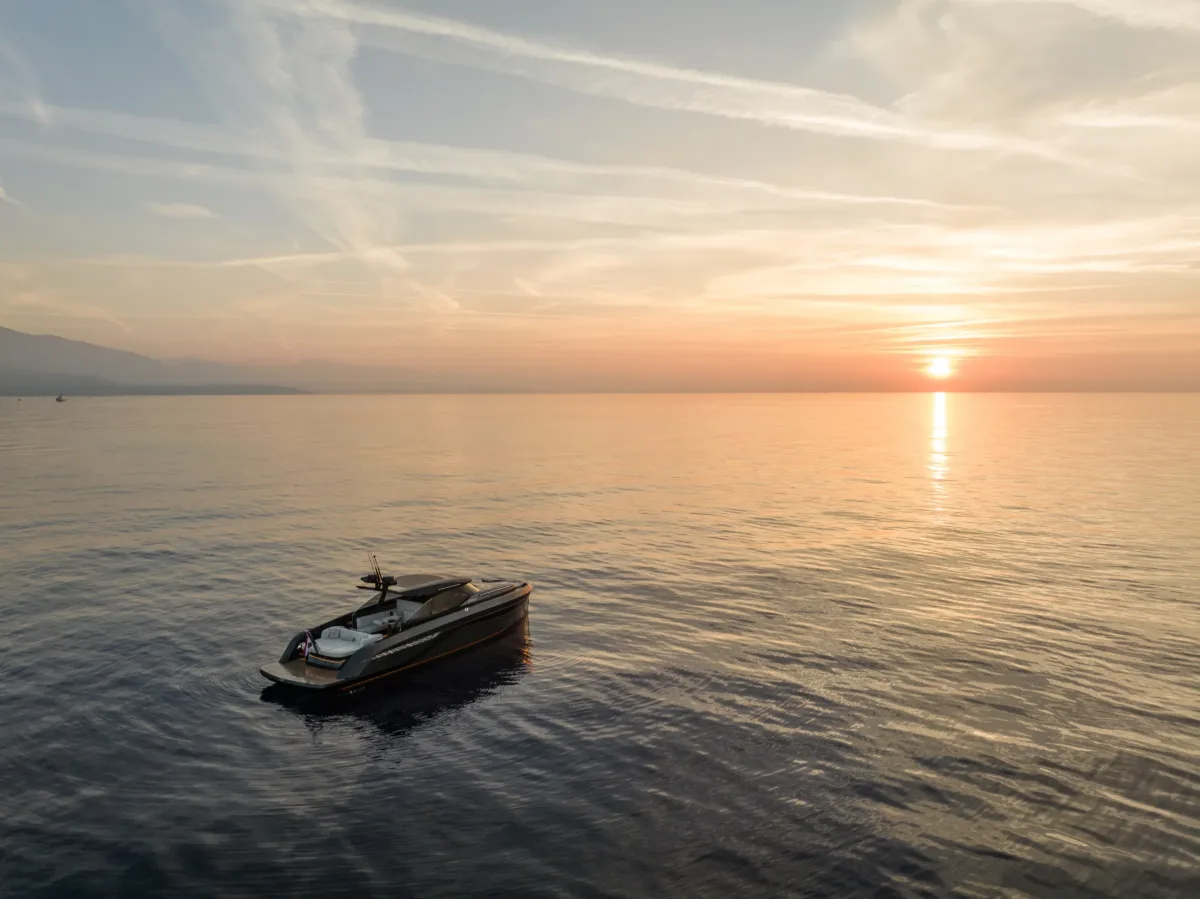

Built to last: aluminium, longevity and sustainability
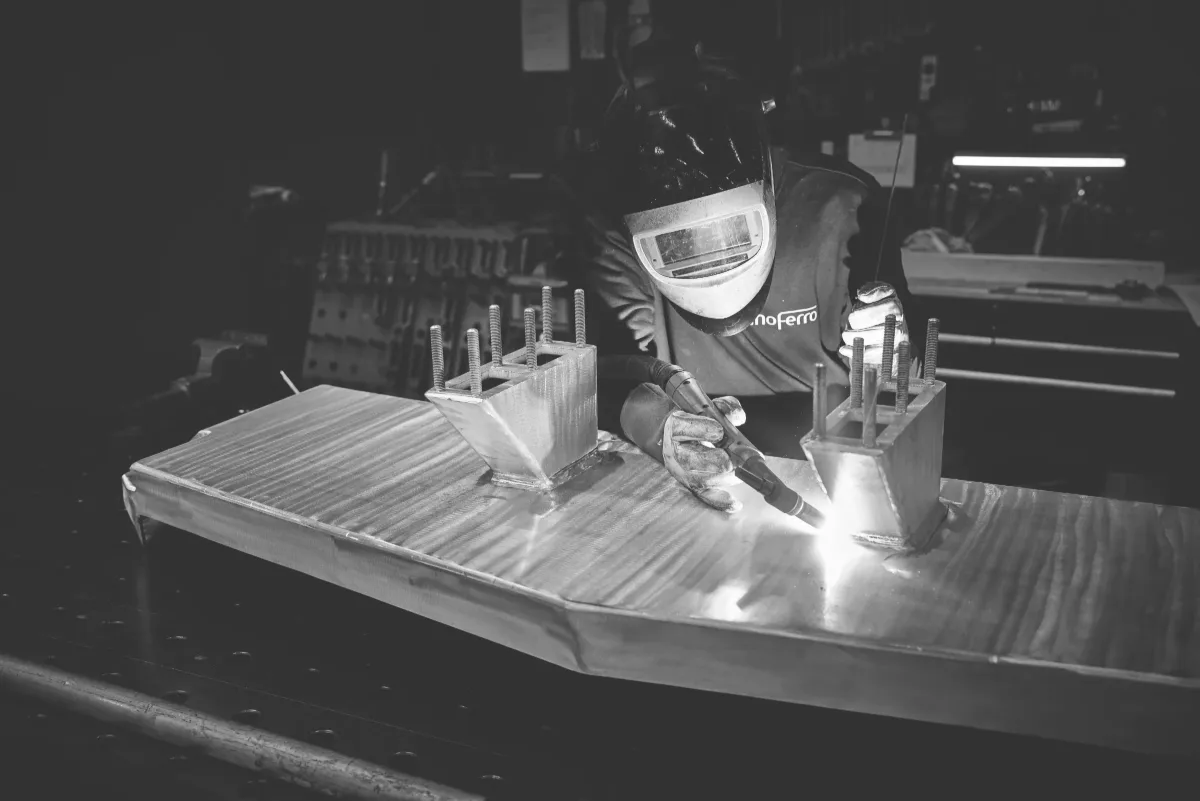
Bekkers Yachts builds every yacht in aluminium because it lasts. In the yard's experience, an aluminium yacht is 30 to 40% lighter than a fibreglass yacht of similar size, takes impacts better, is easier to repair and can easily offer 30 to 40 years of use with minimal maintenance. At the end of that life, the material is 100% recyclable.
Why aluminium, and not fibreglass
Most production yachts in the 40 to 60 ft segment are built in fibreglass (GRP) from a mould. That is efficient for series production, but it fixes the shape and many features of the boat in advance. Bekkers Yachts was founded on a different idea: no mass production, no fibreglass hull, no restrictions. Aluminium makes that possible. For a full side-by-side comparison, read Aluminium vs GRP, and for the background on the material, see Aluminium motor yachts from Holland.
| Aspect | Aluminium (yard's view) | Fibreglass (typical) |
|---|---|---|
| Weight | 30 to 40% lighter for a similar size | Heavier for a similar size |
| Impact | Tends to bend | Can crack or break |
| Repair | Dents hammered out, plate sections replaced | Laminate and gelcoat repairs |
| Routine care | Mostly rinsing and scrubbing | Waxing and polishing of the gelcoat |
| Lifespan | 30 to 40 years with minimal maintenance | Depends on use and care |
| Shape | No moulds, can be adapted later | Defined by the mould |
| End of life | 100% recyclable | Generally harder to recycle |
Lighter, and why that matters
Weight drives performance. A lighter hull moves through the water more easily, which the yard says makes aluminium yachts faster and more efficient. On the AZUR 45HT, with a length of 13.5 m and twin Volvo Penta IPS 600 engines as the entry engine package, that translates into speeds of 30+ knots depending on the engine choice. Efficiency also matters over the long run: less weight to push typically means less fuel for the same journey. For more on what ownership costs, see What does a 45 ft yacht cost per year?.
Strong where it counts
Aluminium is a strong material. Compared with fibreglass, an aluminium hull can resist heavier impacts. If something goes wrong, such as contact with a quay or floating debris, aluminium will typically bend rather than break. That is reassuring for owners who cruise in changing conditions. The AZUR 45HT is certified CE / RCD category B. You can read what that means in practice in CE category B explained for day yachts.
Repairable, not disposable
A yacht built to last has to be repairable. With aluminium, dents can often be pounded out with a hammer. Where needed, a damaged section of plate can be cut out and replaced with new material. That is a very different proposition from replacing a moulded section or living with a visible repair. It is one reason aluminium has long been used for workboats and larger yachts.
Simple maintenance
Most routine maintenance on an aluminium yacht comes down to rinsing and scrubbing. There is no gelcoat to wax and polish every season. Painted surfaces still need care, and every yacht needs servicing of engines and systems, but the hull itself asks for less attention. The yard's finish also plays a part: paint to sample colours are tested first, then applied by hand, layer by layer, for a mirror-smooth result. Practical guidance is in Aluminium yacht maintenance, and the yard's support for servicing, winter storage and resale is described on Owning a Bekkers: service, warranty and aftersales.
A lifespan measured in decades
With minimal maintenance, the yard says an aluminium yacht can easily offer 30 to 40 years of pleasure. That fits the way the yachts are designed. René van der Velden set out to create a timeless exterior, inspired by classic ships of the 1930s to 1950s, architecture and automotive design, so that the yacht does not lose value aesthetically as fashions change. A hull that lasts and a design that does not date work together.
Built without moulds, so it can change with you
The biggest benefit of aluminium, in the yard's view, is freedom. Fibreglass hulls are made using moulds, which means shapes and features are largely standard and predetermined. Bekkers Yachts uses no moulds. Each yacht is hand-built in Holland, and the layout can be shaped around the owner. On the AZUR 45, for example, owners can choose two cabins or one cabin plus a lounge, or add an extra bathroom, extra seating, sunbeds or a wet bar.
That freedom does not end on delivery. Because the structure is aluminium, parts of the yacht and its layout can be modified later. If your family grows, your cruising plans change or you want a different deck arrangement, a refit is a realistic option rather than a compromise. Discuss what is possible with the yard at Bespoke.
Sustainability: the yard's view
Bekkers Yachts sees aluminium as the more responsible choice, and is open about why.
- Recycling. Aluminium is 100% recyclable and, in terms of both energy and cost, an attractive metal to recycle. Fibreglass is generally much harder to recycle at the end of its life.
- Production. In the yard's view, the manufacturing process of aluminium is more environmentally friendly than that of fibreglass.
- Less secondary pollution. Because aluminium needs less maintenance, the yard expects fewer cleaning and polishing products to end up in the water over the life of the yacht.
- Longevity. A yacht that is used for decades, and can be repaired and refitted, typically has a smaller footprint than one replaced after a shorter life.
Environmental impact depends on many factors, including how the aluminium is produced, how the yacht is used and how it is powered. These points describe the material, not a certified footprint for a specific yacht. If sustainability is a key part of your brief, ask the yard to talk you through the options for your build.
Frequently asked questions
How long does an aluminium yacht last?
According to the yard, an aluminium yacht can easily offer 30 to 40 years of use with minimal maintenance. Actual lifespan always depends on how the yacht is used, stored and serviced.
Is aluminium lighter than fibreglass?
Yes. The yard states that aluminium yachts are 30 to 40% lighter than fibreglass yachts of a similar size. Lower weight helps the yacht move through the water more easily and efficiently.
Can an aluminium hull be repaired?
Yes, and often more easily than fibreglass. Dents can often be hammered out, and if necessary a section of plate can be cut out and replaced.
Is an aluminium yacht more sustainable?
Aluminium is 100% recyclable, and the yard considers its production more environmentally friendly than fibreglass. A long lifespan and low maintenance also help. The overall impact of any yacht depends on many factors, including use and propulsion.
Can I change the layout of my yacht later?
Because Bekkers Yachts builds without moulds, parts of the yacht and its layout can be modified to suit new wishes. The yard will advise on what is feasible for your yacht.
Does aluminium need special maintenance?
Most routine hull care is rinsing and scrubbing, without the waxing and polishing a gelcoat needs. Engines, systems and paintwork still need regular servicing, which the yard can help organise.